
Frequently Asked Questions
Everything you need to know about food price inflation, agricultural cycles, and how they affect your household budget in India.
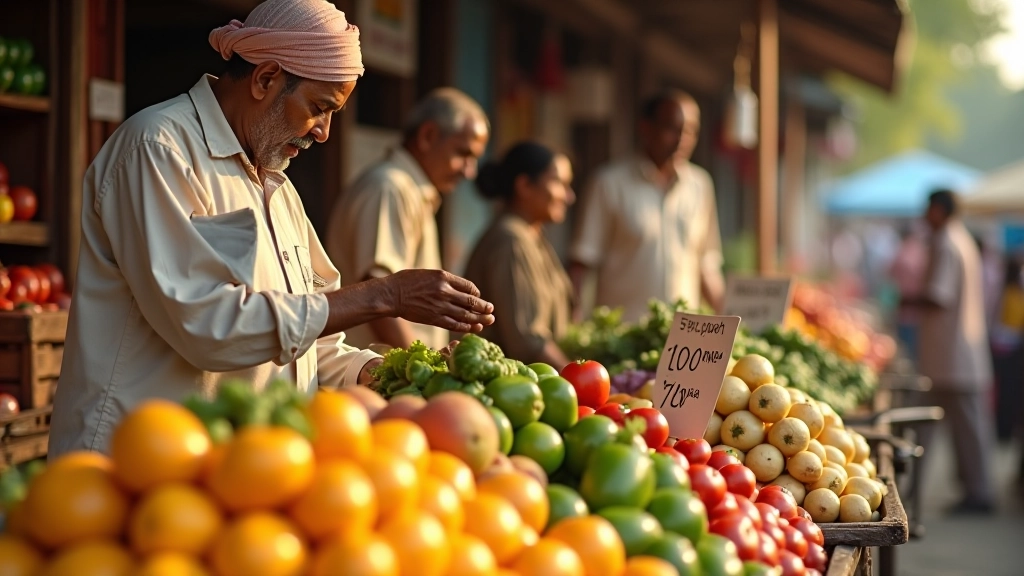
Agricultural production follows natural cycles—crops grow at specific times, peak harvest floods the market with supply (prices drop), and off-season scarcity drives prices up. Temperature, rainfall, and planting cycles in India mean tomatoes might be cheap in August but cost 3-4x more in February. Understanding these patterns helps you plan your grocery spending smarter.
For most Indian households earning under 50,000 monthly, food typically takes 50-60% of the budget. When food inflation hits 10-12% annually (which happens regularly), it directly squeezes what’s left for healthcare, education, and savings. Our assessment tools help you track exactly how inflation impacts your specific family’s spending.
Not perfectly, but yes—learning to read agricultural cycles and seasonal patterns gives you real advantages. We teach you how to spot the signs: harvest season timing, government procurement announcements, and monsoon forecasts all signal price movements weeks in advance. It won’t make you perfect, but it beats guessing.
Food inflation measures price changes only in essential groceries—rice, wheat, vegetables, pulses, milk. General inflation includes everything: fuel, housing, clothes, transport. Food inflation often runs 2-3% higher than overall inflation because agricultural prices swing wildly with weather and seasons, while other prices stay more stable.
Yes. When you know that onions are cheap in November-December but expensive in May-June, you can buy and store more during cheap seasons. When you understand why pulses spike after monsoons, you adjust your menu or buying patterns. Small changes across a year add up—families we’ve worked with report 8-15% savings just by timing their purchases better.
Absolutely. Potatoes cost 15/kg in Punjab during harvest but 40/kg in remote areas in off-season. Transportation costs, local supply, storage capacity, and regional production all create huge variations. What’s expensive for you might be cheap 200km away. Our regional price tracking shows these differences so you know what’s actually fair in your area.
Still have questions?
Get in touch with our team to learn more about our educational resources and how we can help you understand food price trends.
Contact Us