
Why Vegetable Prices Jump in Certain Seasons
Monsoon delays, unexpected frost, and harvest timing create predictable price patterns. Learn what drives these seasonal swings.
Read ArticleLearn how agricultural cycles, seasonal patterns, and supply chains affect what you pay for food. Educational resources to help you track and understand inflation trends.
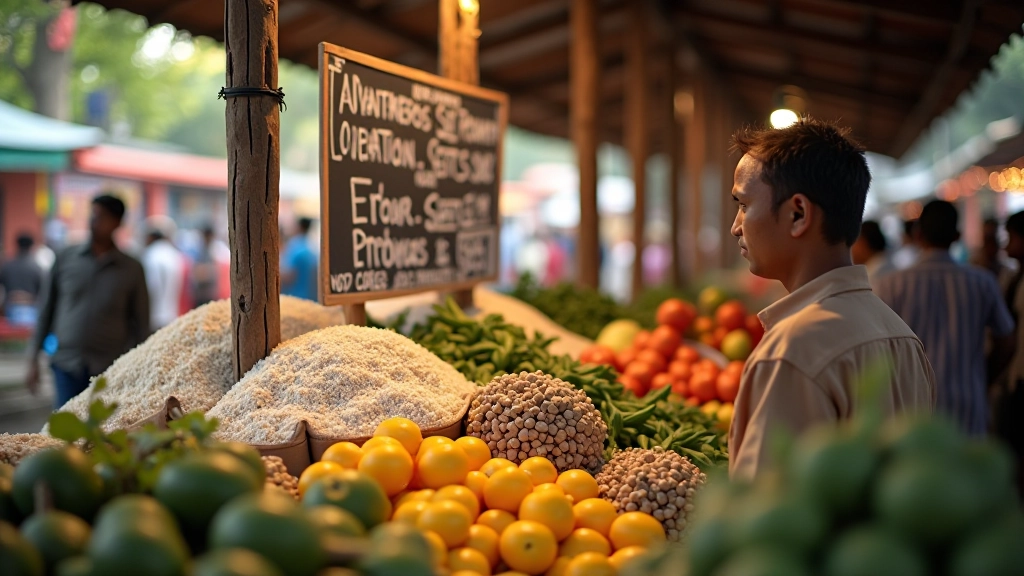
Our educational resources break down complex economic concepts into practical knowledge you can actually use.
Understand the seasonal swings that happen every year. We explain what causes monsoon-driven price spikes and harvest-time drops.
From farm to your kitchen. Learn how weather, storage costs, and logistics networks add up to affect what you pay at the market.
Real strategies for tracking your food spending. We show you how to spot inflation in your own budget and plan accordingly.
Simple frameworks to understand how much you’re spending on essentials. Track trends month to month without complicated spreadsheets.
All our resources are grounded in actual agricultural data and economic research. We show our work and explain the numbers clearly.
Comprehensive articles that dig into specific commodities, regional differences, and long-term trends affecting Indian households.
Food prices aren’t random. They follow patterns shaped by weather, harvest timing, government policy, and supply chain logistics. When you understand these patterns, you can plan better, make smarter shopping choices, and anticipate changes.
The truth is, most households don’t track food spending carefully enough to spot inflation until it’s too late. You might notice rice costs more this month, but without data and context, you can’t tell if it’s temporary or part of a larger trend. That’s where we come in.
We’ve created straightforward resources that explain agricultural economics without the jargon. Learn how seasonal cycles work. Understand supply chain costs. Track your household spending effectively. All designed for real people managing real budgets.
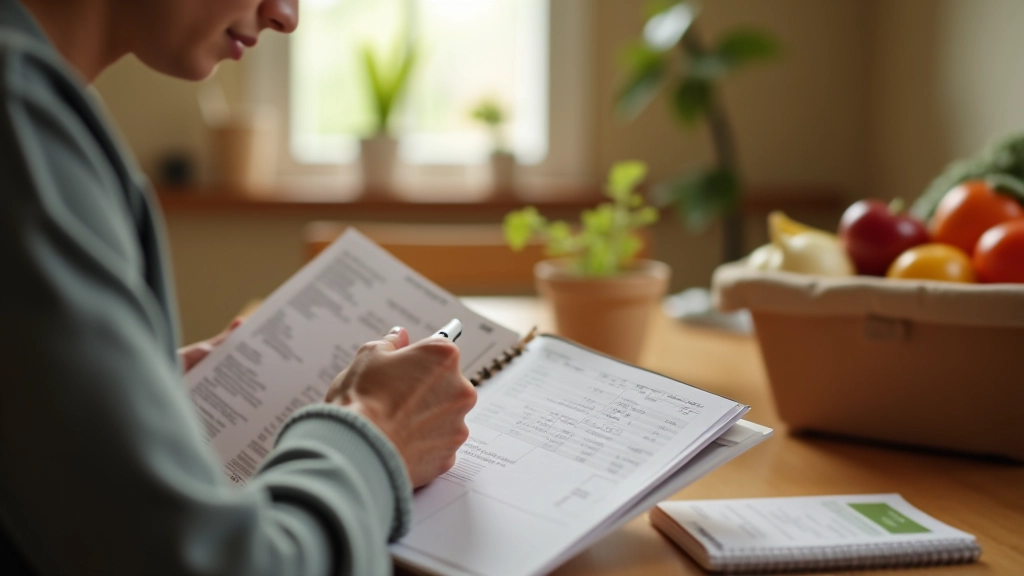
Start with these three essential guides to understand food price inflation.
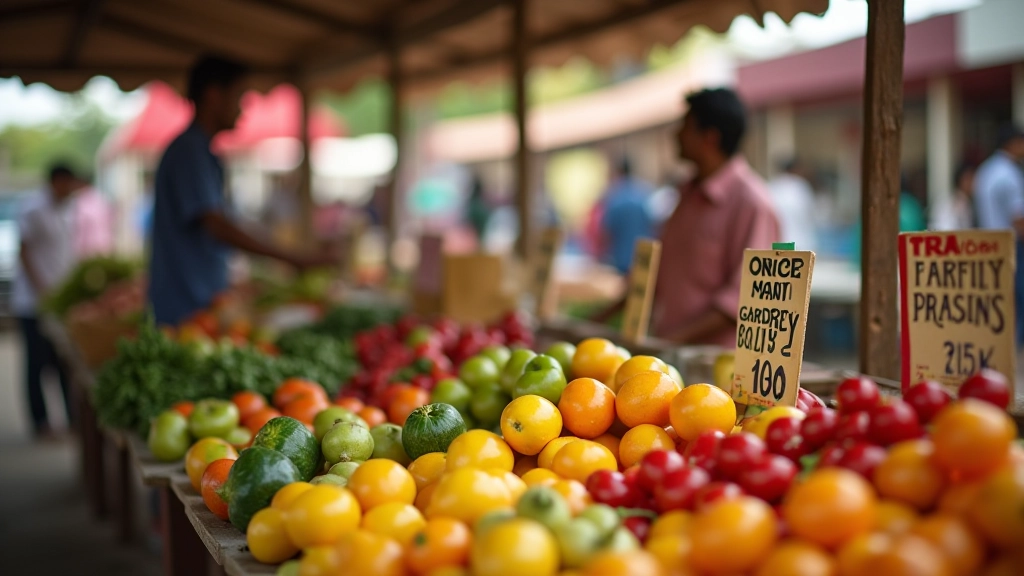
Monsoon delays, unexpected frost, and harvest timing create predictable price patterns. Learn what drives these seasonal swings.
Read Article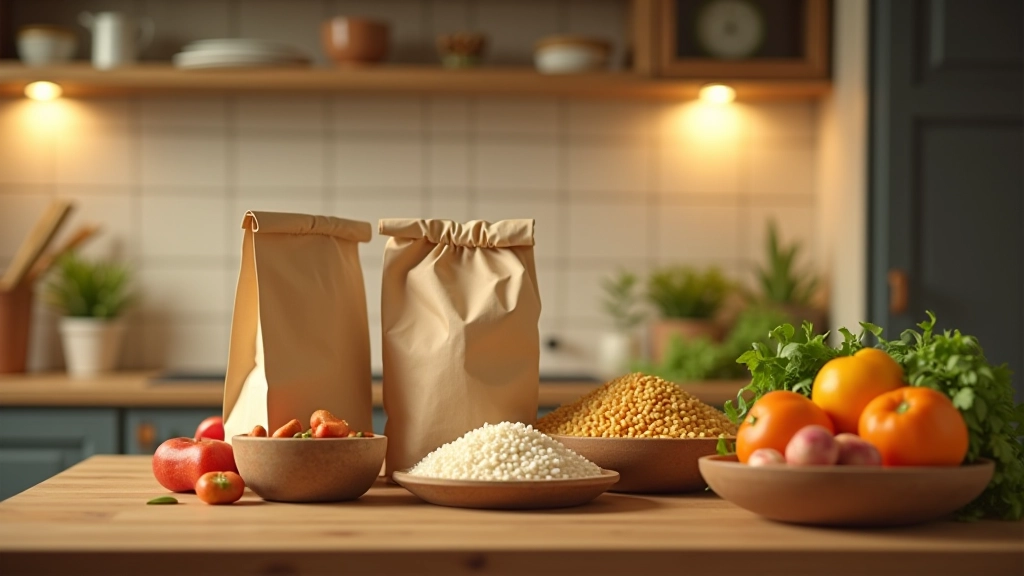
A practical framework for understanding how much you’re actually spending on food and spotting inflation trends in your own expenses.
Read Article
Storage costs, transportation, middlemen, and logistics networks all add layers to what you pay. We break down each step in the journey.
Read ArticleQuick answers to help you understand the basics.
Vegetable prices follow agricultural cycles tied to monsoon patterns, planting schedules, and harvest timing. When monsoon arrives late, planting gets delayed, which pushes harvest back and extends the season when supply is limited. Limited supply means higher prices. Once harvest begins in full force, supply increases dramatically and prices fall. It’s predictable once you understand the cycle.
Transportation costs vary based on distance and road conditions, but they’re significant. Produce from distant farms includes truck fuel, driver wages, toll costs, and storage during transit. For fresh produce traveling 500+ kilometers, these costs can add 15-25% to the final price. This is why locally grown produce often costs less — less distance means lower transport costs.
Yes, partly. Seasonal patterns are predictable — you can anticipate higher prices during off-season months. Weather forecasts also help — if monsoon is delayed, vegetable prices will likely rise. Government policy changes can affect prices too. While you can’t predict every price movement, understanding cycles and tracking trends helps you prepare and adjust your budget accordingly.
Seasonal price changes are temporary and predictable — rice costs more during certain months, then goes back down. Inflation is different — it’s a sustained increase where prices don’t return to previous levels. If rice cost 40 rupees last year and now costs 45 rupees at the same season, that’s inflation. We help you distinguish between these patterns in your own spending.
When crops are harvested, they need to be stored in temperature-controlled facilities, transported to distribution centers, and finally delivered to markets. Each step costs money. Poor storage leads to spoilage, which increases costs for remaining produce. Inefficient logistics means products spend more time in transit. All these costs get passed to you at the market.
For some items, yes. During peak harvest when supply is highest and prices are lowest, buying and storing staples like rice, lentils, and onions makes sense. However, fresh produce like vegetables spoils quickly, so buying massive quantities isn’t practical. Focus on shelf-stable foods you use regularly and can store properly.
People using these resources to understand their food spending better.
“I wasn’t tracking my food expenses at all until I read the budget tracking guide. Now I can actually see the patterns — tomatoes always spike in May, lentils are cheaper after harvest. It’s helping me plan better and save money.”
“The supply chain article finally explained why vegetables I buy at the market cost so much more than what farmers get paid. It’s not just greed — there’s real cost in transportation and storage. That understanding changed how I think about fair pricing.”
“I’ve shared the seasonal pricing guide with my family. We’re now buying rice and lentils during harvest season when prices are lowest. The article made it so clear how the cycles work that even my kids understand why prices change.”
Understanding the scale of food price changes across India.
Seasonal Price Variation
Vegetables can swing 25-40% between harvest season and off-season months, creating predictable patterns households can prepare for.
Storage Window
Most staple grains and pulses can be stored 6-8 months in proper conditions, allowing households to buy during low-price periods.
Transport & Logistics Cost
For produce traveling long distances, transportation and handling can add 15-25% to the final retail price you pay.
Price Response Time
Market prices typically respond within 3-4 weeks to supply shocks from weather or harvest changes, allowing some predictability.
Practical benefits you’ll get from understanding food price inflation.
Know when to buy in bulk and when to buy fresh. Stock up during harvest season when prices are low, choose alternatives during expensive months.
Anticipate seasonal price swings and plan your household budget accordingly. Stop being surprised by sudden food cost increases.
Move beyond guessing. Learn the actual economics of how food moves from farm to your kitchen and what drives the prices you pay.
Use our practical frameworks to monitor what you’re actually spending on food month to month and spot inflation in your own budget.
Three simple steps to understand food inflation better.
Start with our guide on agricultural cycles and seasonal patterns. Understand why prices change and what factors matter. You’ll quickly see the patterns that repeat every year.
Use our budget tracking framework to monitor your actual food expenses. Record what you spend over 2-3 months and start spotting patterns in your own data.
Make smarter shopping decisions based on understanding. Buy staples during harvest season. Choose alternatives during expensive months. Plan your budget with confidence.
Start exploring our educational resources today. Learn how agricultural cycles, seasonal patterns, and supply chains affect the prices you pay. All materials are free and designed for practical understanding.
Start Exploring