
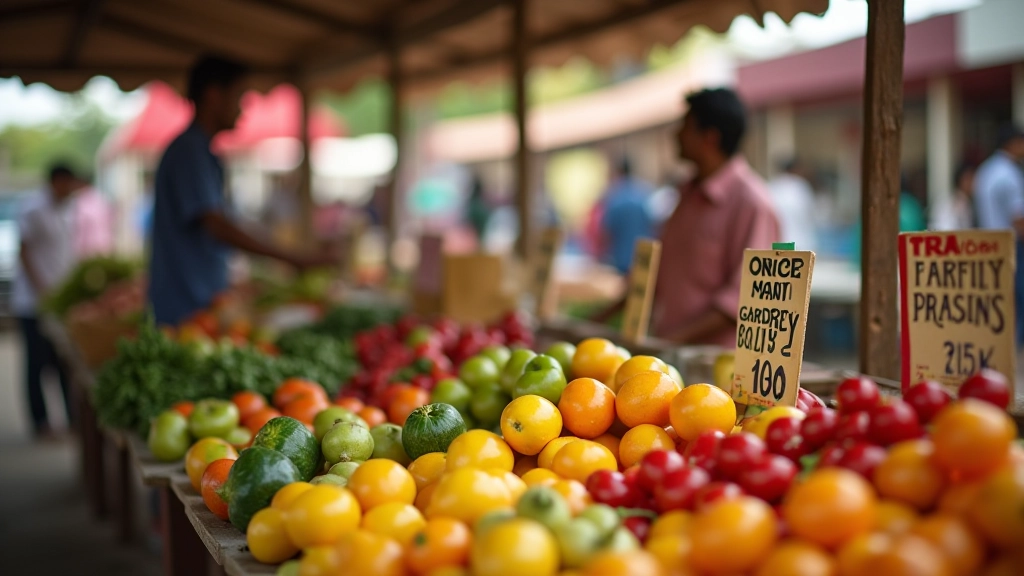
Why Vegetable Prices Jump in Certain Seasons
Monsoon delays, unexpected frost, and harvest timing create predictable price patterns. Understanding these cycles helps you anticipate cost changes.
Read MoreA practical framework for understanding how much you’re actually spending on food and spotting inflation trends in your own expenses.

You go to the market, buy the same things you bought last month, and somehow the bill’s higher. Again. It’s not your imagination. Food costs are genuinely climbing, and if you’re not tracking it, you won’t know exactly how much inflation’s hitting your household budget.
The thing is, government inflation statistics are useful, but they don’t tell you what’s happening in YOUR kitchen. You need a simple system that captures your actual spending month by month. This isn’t complicated math or fancy spreadsheets—just a practical approach to understanding your food costs and spotting the patterns.

Start with something you can actually maintain. You don’t need a detailed ledger of every tomato. Instead, create three columns: what you bought, how much you spent, and when.
Keep it simple. A basic notebook works fine—or use your phone’s notes app if that feels more natural. Every time you shop, write down the total you spent and the month. That’s genuinely all you need to start seeing patterns. After three months, you’ll have real data showing whether your food costs are climbing, staying flat, or (rarely) dropping.

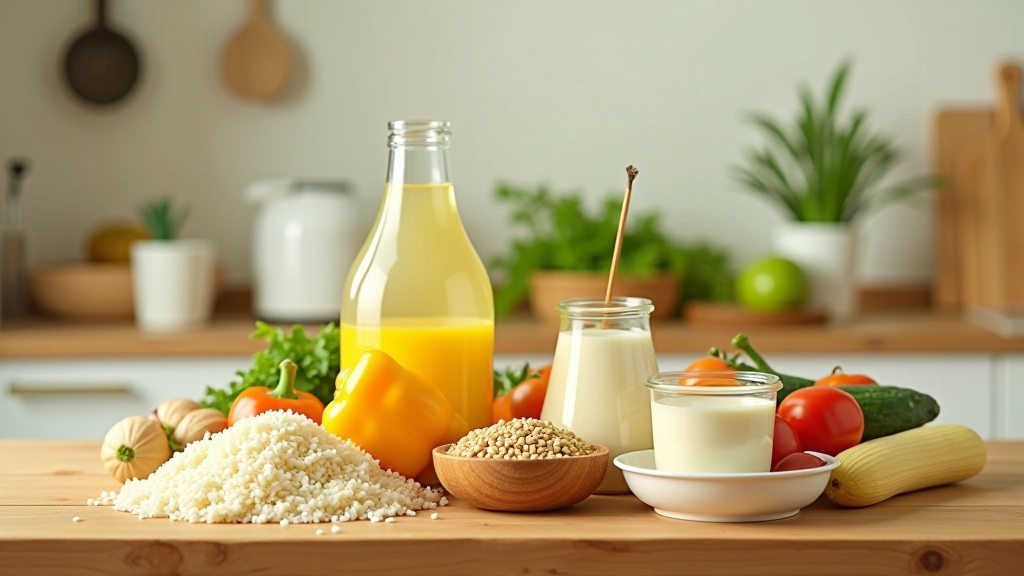
Most households spend on about 5-7 main categories. Don’t overthink this—use whatever makes sense for your family.
Typical breakdown includes staples (rice, wheat, lentils), vegetables, dairy (milk, yogurt, paneer), proteins (eggs, meat, fish), oils and condiments, and occasional items. When you track these separately, you’ll notice something interesting: staples usually stay steady, vegetables swing wildly with season, and oils climb more than you’d expect.
Here’s the practical part: you don’t need to separate every single item. Just note the category and amount. If you spent 500 on vegetables in January and 680 in April, you’ve got real data showing seasonal pressure.
After three months of tracking, you can calculate percentage change. It’s simple math, and honestly, the results often surprise people.
Take your February total, subtract January total, then divide by January total. Multiply by 100.
January: 4,000 | February: 4,200 | Change: (4,200 – 4,000) / 4,000 100 = 5% increase
When you do this month after month, patterns emerge. Maybe February’s always higher because of vegetables. Maybe March dips slightly. Maybe you’ll notice a steady 2-3% climb every single month—that’s the real inflation hitting your table.

Three months of tracking gives you something valuable: your baseline. But what’re you looking for?
Vegetables aren’t equally available year-round. When monsoon disrupts supply, prices jump. Your data will show if you’re actually spending more in specific months or if it feels that way because of what you’re buying.
Sometimes you’re spending more because prices climbed. Sometimes it’s because you bought more items. Tracking helps you distinguish between the two. If rice costs 10% more but you bought the same amount, that’s pure inflation.
Not everything inflates at the same rate. Oils might climb faster than lentils. Vegetables might jump 15% while milk rises 3%. Your tracking shows which categories are actually hurting your budget most.
Once you know your patterns, you can plan ahead. If you spend 8-10% more in summer, you can adjust other spending or plan for that increase. It’s not avoiding the cost—it’s expecting it and adapting.
You don’t need expensive software. Honestly, the simplest approach works best because you’ll actually stick with it.
Pick whichever requires the least effort from you. The best system is the one you’ll maintain for six months straight.

Food inflation isn’t abstract when it’s affecting what you spend every single day. By tracking your household expenses month to month, you’re not fighting inflation—you’re understanding it. You’ll see patterns that national statistics can’t capture because they’re specific to what your family eats and where you shop.
Start this month. Write down what you spent on food. Next month, do it again. By June, you’ll have real data about your actual costs. You won’t be guessing whether things got more expensive—you’ll know exactly how much more expensive they got, and where the biggest increases hit.
That information? It’s genuinely powerful. It lets you plan better, anticipate price jumps in your budget category, and understand whether your spending actually increased because prices climbed or because you changed what you bought. It’s not complicated. It’s just paying attention.
This article provides educational information about tracking household food expenses and understanding inflation patterns. The methods and calculations described are for informational purposes to help you monitor your personal spending habits. Individual food costs vary significantly based on location, market conditions, purchasing habits, and personal dietary choices. The techniques described here are not financial advice, and circumstances differ for every household. For specific financial planning or budgeting decisions, consider consulting with a financial advisor or relevant local resources that specialize in household budgeting.