
From Farm to Table: How Supply Chains Affect Prices
Storage costs, transportation, middlemen, and logistics networks all add layers to what you pay. We break down each step in the journey.
Why Prices Don’t Stay At The Farm
You’ve probably noticed that tomatoes cost more in January than September. Or that onions spike unexpectedly. There’s a reason — and it’s not just the farmer’s profit margin.
Between the field and your kitchen, food passes through a complex chain of handlers, storage facilities, and transportation networks. Each step adds cost. Some of these costs are essential — keeping vegetables fresh requires real infrastructure. Others represent middlemen taking their cut.
Understanding these layers helps explain why prices fluctuate so dramatically. It’s not random. There’s a system, and once you see how it works, you’ll notice patterns in what you pay every week.

Storage: The Hidden Cost Of Keeping Food Fresh
Right after harvest, produce needs somewhere to go. Not everything sells immediately. Most vegetables and grains get stored in facilities designed to slow spoilage — temperature-controlled warehouses, cold storage rooms, or grain silos.
This storage isn’t free. A modern cold storage facility costs millions to build and maintain. Running costs include electricity for refrigeration, maintenance staff, pest control, and regular inspections. For a sack of potatoes, you’re paying a share of all that infrastructure.
Storage also determines timing. A farmer with storage capacity can wait for better prices. One without storage has to sell immediately after harvest, often at lower rates. This creates an imbalance — larger operations with storage facilities can play the market better than small farmers.
Seasonal produce like onions and potatoes are stored for months. When you buy them in March, you’re paying for 4-5 months of storage costs on top of the original harvest price.

Transportation: Moving Food Across India
Distance matters. A tomato traveling from Karnataka to Delhi doesn’t just appear — it rides in a refrigerated truck for 30+ hours. Fuel, driver wages, vehicle maintenance, tolls. These add up quickly.
Bad roads increase costs. Rough highways mean slower speeds, more fuel consumption, and higher wear on vehicles. In states with poor road infrastructure, transportation costs can add 15-20% to the final price. That’s why vegetables are often cheaper near growing regions and expensive in areas far from farms.
Some losses happen in transit. Vegetables bruise. Fruits rot. A truck might start with 10,000 kg of tomatoes but lose 500 kg to spoilage. That loss gets passed to consumers through higher prices on the remaining stock.
Seasonal transport bottlenecks create price spikes. During harvest season, demand for trucks exceeds supply. Rates jump. Farmers and traders pay more, and you pay more at the market.
The Middlemen Layer: Where Margins Get Taken
Here’s where it gets complex. Produce rarely moves directly from farm to market. Instead, it passes through commission agents, wholesalers, and distributors — each taking a cut.
A farmer sells to an agent who takes 2-3% commission. The agent sells to a wholesaler who adds 5-10% markup. The wholesaler sells to a retailer or vendor who marks up another 15-30%. By the time you buy it, the original farm price has multiplied.
This layering happens because not every farmer has direct market access. They don’t have storage facilities or transportation. They can’t negotiate with hundreds of retailers. Middlemen solve that problem — but they charge for it.
Some of this markup is legitimate. Wholesalers provide real services — quality sorting, storage, transport coordination. But some is pure profit with minimal value added. This is why direct farmer markets exist — they try to skip the middlemen and reduce costs.
Perishability: The Cost Of Time
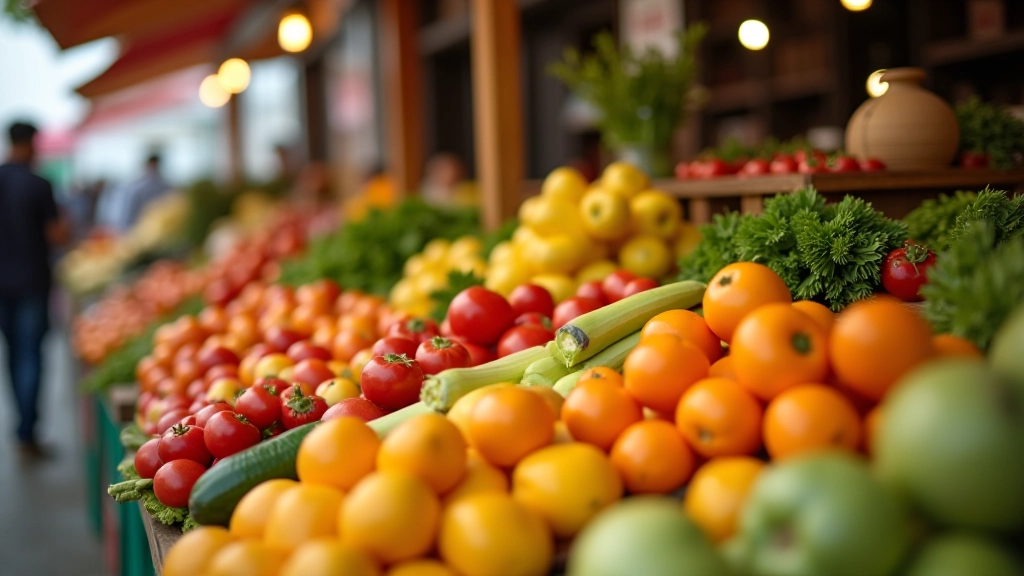
Some foods spoil. That’s their nature. Vegetables start losing freshness the moment they’re harvested. Quality degrades daily. This creates urgency in the supply chain.
If a truck gets delayed, losses increase. If storage temperature fluctuates, spoilage jumps. These risks force handlers to move products quickly, sometimes at discounts to clear stock before it spoils completely. You benefit when they do this — but you suffer when delays cause shortages.
Less perishable items like potatoes, onions, and grains have longer shelf lives. They can wait, so prices are more stable. But seasonal vegetables and fruits that spoil quickly? Their prices swing wildly based on supply, demand, and weather.
This is why monsoon season affects prices so dramatically. Rain delays harvests and transportation. Products spoil faster. Suddenly, the supply shrinks and prices jump 30-40% in weeks.
Seasonal Cycles: Why Prices Follow The Calendar
Every food has a natural season. When tomatoes are in full harvest, supply floods the market and prices crash. Farmers get frustrated by low rates. Months later when storage is depleted and new harvests haven’t started, the same tomato costs 3x more.
This isn’t random. Harvest season typically brings cheap produce. Post-harvest, as stocks deplete, prices gradually rise. Pre-harvest, when old stock is nearly gone, prices peak. Then harvest hits and the cycle resets.
Monsoon disrupts this cycle. Delayed planting pushes harvests late. Bad weather reduces yields. Suddenly the normal price curve shifts — peaks come earlier or last longer. This is why onion prices spike unexpectedly in certain years.
Understanding your local seasonal patterns helps you anticipate price changes. Buying vegetables at peak harvest season costs 30-50% less than off-season. That’s not inflation — it’s the supply chain doing its natural thing.
Understanding The Full Picture
The journey from farm to your plate involves real costs at every step. Storage facilities, refrigerated trucks, trained staff, sorting equipment, middlemen coordination — none of this is free.
When prices jump, it’s rarely because farmers suddenly got greedy. It’s usually because storage costs climbed, transportation rates spiked, or seasonal supply contracted. Understanding these mechanics helps you make sense of what you’re actually paying for.
Smart shopping means timing your purchases around seasonal peaks, buying in bulk during harvest season, and supporting direct farmer markets when possible. You can’t eliminate these supply chain costs — they’re necessary. But you can work with the system instead of against it.
Key Takeaway: The difference between farm price and your price reflects real infrastructure, storage, transportation, and handling. These aren’t arbitrary markups — they’re the cost of keeping food fresh and getting it to you reliably.
Related Articles

Important Disclaimer
This article is educational in nature and designed to help you understand how agricultural supply chains affect food prices. The information provided is based on general economic principles and observable market patterns in India.
Food price fluctuations are influenced by many variables including weather, government policies, global markets, and local supply-demand dynamics. The costs and percentages mentioned are illustrative examples and may vary significantly by region, season, and product type.
This content is not intended as financial advice or price prediction. For specific budget planning or financial decisions related to food purchasing, consider consulting with local agricultural economists or financial advisors who understand your specific regional context.