
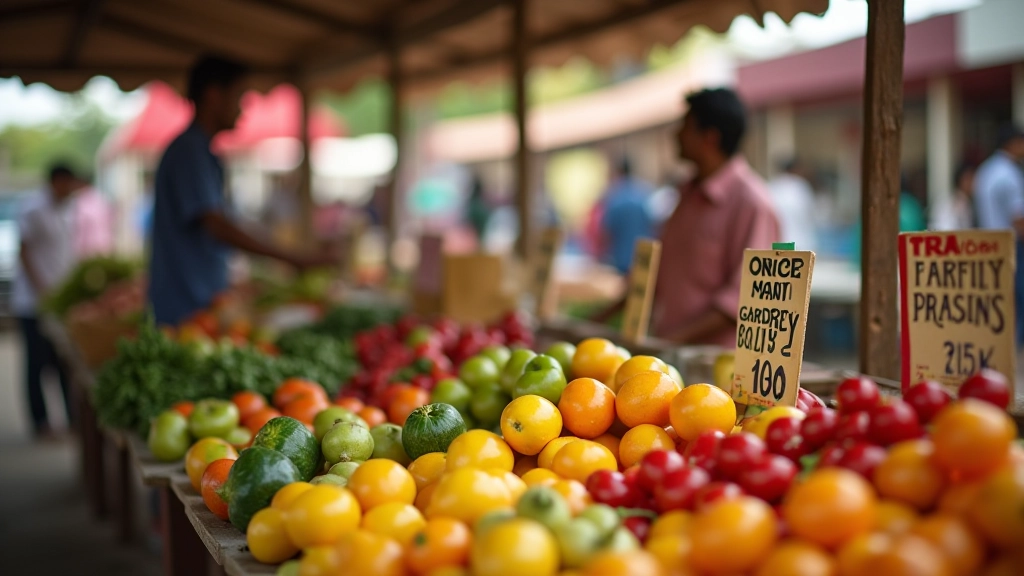
Why Vegetable Prices Jump in Certain Seasons
Monsoon delays, unexpected frost, and harvest timing create predictable price patterns. Learn what drives these seasonal swings.
Read MoreUnderstanding agricultural cycles, commodity price trends, and how they affect household budgets across the country.
Food inflation doesn’t happen overnight. It’s driven by seasonal patterns, agricultural yields, supply chain dynamics, and market forces that shift throughout the year. This resource hub explores how these factors work together — and what you can do to understand your own household’s food costs.

Explore guides and analyses that break down food inflation, agricultural economics, and household impact.
Monsoon delays, unexpected frost, and harvest timing create predictable price patterns. Learn what drives these seasonal swings.
Read More
A practical framework for understanding how much you’re actually spending on food and spotting inflation trends in your own expenses.
Read More
Storage costs, transportation, middlemen, and logistics networks all add layers to what you pay. We break down each step in the journey.
Read More
Government reports publish inflation figures regularly. Here’s how to interpret them and understand what they mean for your wallet.
Read MoreRainfall patterns directly impact crop yields. Delayed monsoons mean smaller harvests and higher prices for staples like rice and pulses. Early or excess rainfall can damage crops entirely. Food prices typically rise during this period because supply tightens.
Fresh crops arrive at markets. Prices for grains, vegetables, and pulses typically drop as supply increases. This is when prices are usually at their lowest for the year. Smart households often stock up on storable items during this period.
Stored grain from previous harvests becomes scarce. Vegetables from summer cultivation come online but remain limited. Prices remain elevated because supply depends on storage and whatever grows well in heat.
Waiting period before new crops. Storage costs accumulate. Market speculation about upcoming monsoon quality affects current prices. This is often when food inflation hits hardest on household budgets.
Seasonal patterns explain part of the story. But several other forces push prices up or down throughout the year.
Fertilizer prices, fuel costs, and seed expenses fluctuate. When input costs rise, farmers pass those costs forward. You’ll see this reflected in higher produce prices at the market.
India imports certain commodities. Global prices for oil, fertilizer, and some grains affect domestic inflation. International trade policies and weather events abroad can ripple into your local market.
Poor storage infrastructure means spoilage and waste. Inefficient distribution adds middlemen and costs. Investment in cold chains and warehousing can actually reduce prices over time.
Export bans, import quotas, and agricultural subsidies all influence prices. When governments restrict trade to protect domestic supplies, prices can spike. Policy changes create sudden market shifts.