
Why Vegetable Prices Jump in Certain Seasons
Monsoon delays, unexpected frost, and harvest timing create predictable price patterns. Learn what drives these seasonal swings.
Understanding the Cycle
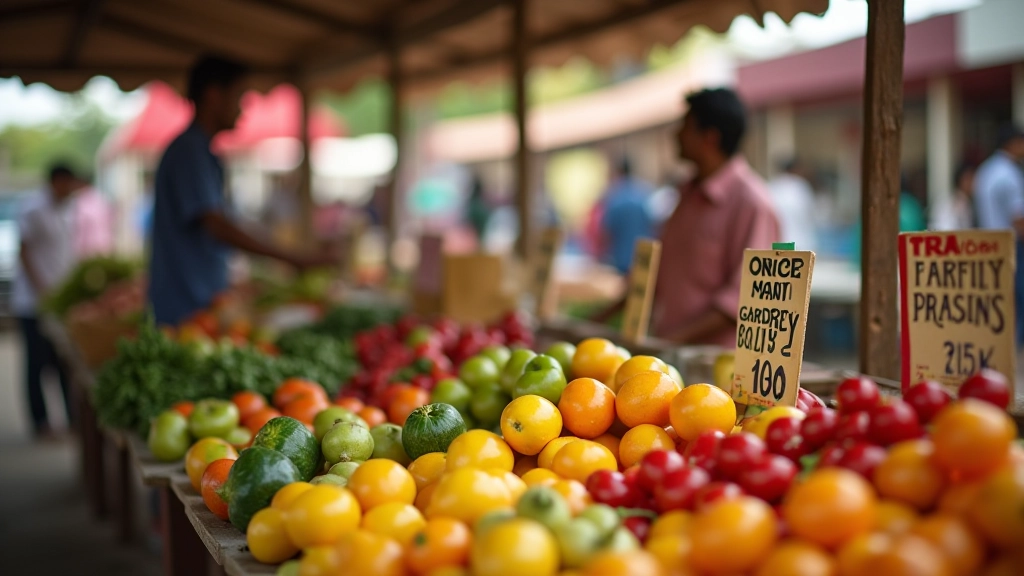
You’ve probably noticed it at the market. Tomatoes cost one price in June, completely different in December. Onions spike unpredictably. Green leafy vegetables disappear for weeks. It’s not random. There’s a clear pattern — and once you understand it, you can actually plan your grocery budget.
Agricultural cycles aren’t mysteries. They’re driven by rainfall, temperature, harvest schedules, and storage capacity. We’re going to break down exactly what causes these swings and when you’ll see them happen.
The Four Price Phases
Agricultural production follows distinct seasons. Each phase brings different supply levels and costs.
Planting Phase (June-July)
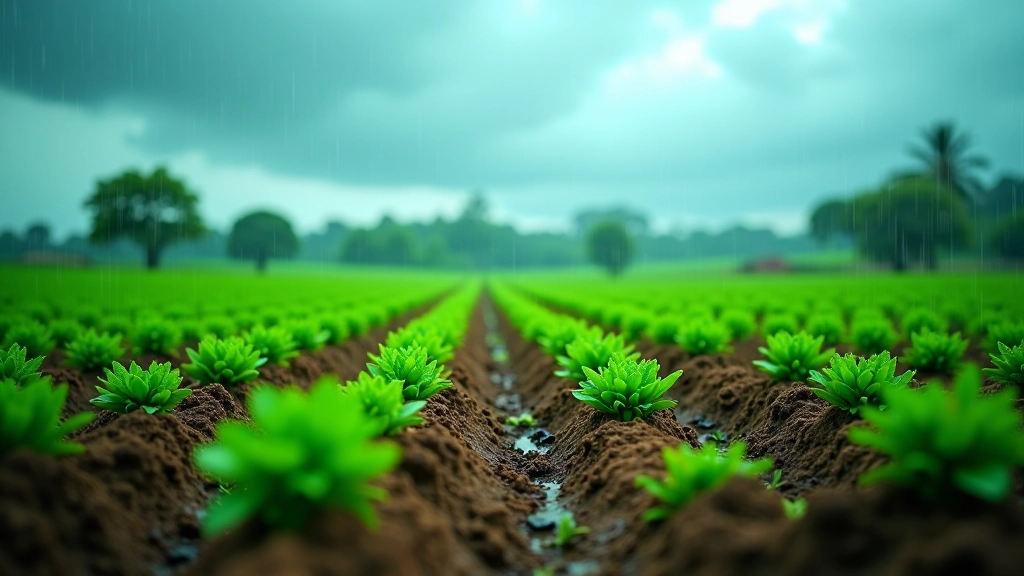
Heavy monsoon rains begin. Farmers plant new crops — tomatoes, peppers, squash, beans. Storage from last season is running low. Prices are HIGH because supply is minimal and older stock is depleting.
Growth Phase (August-September)
Crops mature in fields. Some early harvests start but aren’t yet abundant. Prices remain elevated. This is when farmers face the biggest risks — poor rainfall, pest attacks, or early frost can destroy entire fields.
Harvest Peak (October-December)
Massive supply floods markets. Multiple crops harvest simultaneously. Prices DROP significantly — sometimes 40-50% from summer highs. Tomatoes, onions, potatoes, carrots all come in at once. This is the CHEAPEST season.
Storage & Scarcity (January-May)
Fresh harvest is done. Supply depends on storage. Cold storage facilities preserve some crops, but costs rise because of electricity and maintenance. Prices gradually climb again as stored stock depletes.
What Actually Drives Price Spikes
It’s not just about supply and demand. Three specific factors create the biggest price jumps:
Monsoon Timing
Delayed monsoons = delayed planting = delayed harvest = extended shortage. A monsoon that arrives 2-3 weeks late can push prices 15-20% higher than normal. Early monsoon withdrawal causes similar spikes.
Storage Infrastructure
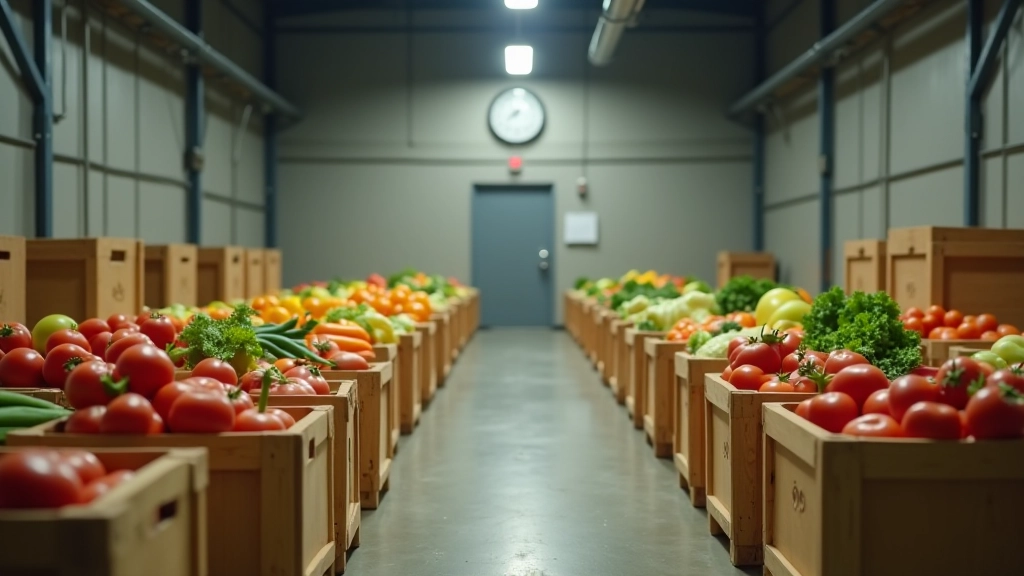
Cold storage facilities are limited and expensive. Only certain vegetables (potatoes, onions, tomatoes) store well. Leafy greens, peppers, beans — they spoil quickly. Limited storage = prices stay high longer into the off-season.
Transportation & Middlemen
During peak harvest, transportation costs drop because trucks are full. During scarcity, costs rise. Middlemen (wholesalers, traders, retailers) add margins at each step — sometimes 30-40% markup from farm to your market.

When to Buy What
Different vegetables peak at different times. Knowing these windows helps you save 20-30% on groceries.
How This Affects Your Household
These aren’t abstract numbers. A family buying vegetables for 5 people can spend 2,000-3,000 monthly in peak season but 4,500-5,500 during scarcity months. That’s a 100% increase.
“In May, tomatoes were 80 per kg. By November, the same tomatoes were 25. Once you see the pattern, you stop buying out of season unless absolutely necessary.”
— Market Shoppers Report
The smart approach? Buy heavily during peak harvest (October-December) and preserve or freeze what you can. Store onions, potatoes, and root vegetables naturally. Plan meals around what’s in season. During expensive months (May-July), shift toward stored vegetables and adjust diet accordingly.
Key Takeaways
Prices follow agricultural cycles. Planting (high), Growth (high), Harvest (low), Storage (rising) — this repeats every year.
Monsoon timing is the biggest price driver. Late rains = delayed harvest = extended scarcity = higher prices for months.
Peak harvest (Oct-Dec) is when you’ll see the lowest prices. Buy and preserve during this window if possible.
Storage capacity limits price stability. Vegetables that store well (onions, potatoes) have less seasonal variation. Delicate vegetables (leafy greens) spike 50%+ in off-season.
Understanding timing lets you plan meals smarter and cut vegetable costs by 20-30% annually.


Educational Information
This article provides educational information about agricultural cycles and seasonal price patterns in vegetable markets. Price variations depend on multiple factors including regional weather patterns, local supply chains, storage infrastructure, and market conditions. Historical patterns described here may vary based on geography, year, and external factors. For financial planning, consult current local market data and prices in your area. This content is informational and intended to help you understand market dynamics, not as specific price predictions or financial advice.